
5 Things for Survivors to Consider When Sharing Their Stories
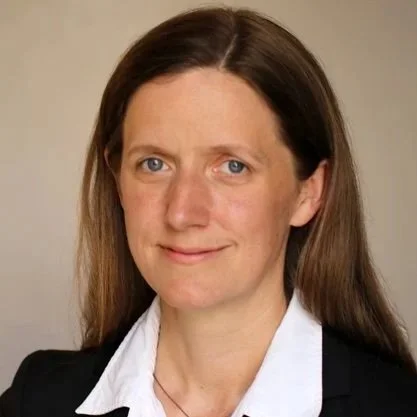
Rebecca Pawloski
People who have experienced abuse in the Catholic Church and other settings regularly report that sharing the story of their trauma has helped them heal.
At the same time, it’s necessary to share these sacred stories well, to ensure that the telling is helpful and not a source of unintended harm, says Rebecca Pawloski, a theologian who teaches at Loyola University Chicago’s Rome Center.
Earlier this year, Pawloski presented a webinar for Saint Paul University in Ontario, Canada, exploring the conditions of beneficial trauma disclosure. In other words, what might help someone share their abuse story publicly or privately and have a good outcome?
A former staff member for the Vatican’s Pontifical Commission for the Protection of Minors, Pawloski holds a diploma in safeguarding and a doctorate in theology, both from the Pontifical Gregorian University in Rome. Her doctoral research considered a theological approach to the problem of abuse in the Catholic Church, based on 16 narratives written by adults who were abused by clergy as children. Growing up in Grand Rapids, Michigan, Pawloski’s own parish priest was dismissed from the priesthood after he was credibly accused of sexual abuse of children.
Based on her research and experiences accompanying abuse survivors, Pawloski offers this set of ideas for survivors to consider before sharing their abuse story with others.
“Let me be clear: One path to healing is being able to name and say clearly what happened, and to have someone receive that story in love,” Pawloski stresses. But not everyone will respond well to this information. “The world is a multifaceted place with many different people who have many different beliefs,” she says. So it is important to be prepared and supported when sharing your abuse story with others. Here are Pawloski's recommendations.
1. Aim for Balance
Pawloski finds inspiration in the philosopher Aristotle’s concept of the “Golden Mean.” “He says that virtue isn’t found in the extremes, but in discerning a middle path,” she says.
Beneficial storytelling is not so-called “trauma dumping,” or sharing all of the most painful parts of your story in a rush, without considering how these details might affect you or listeners, Pawloski says. Nor is it remaining completely silent about the reality of what happened. Beneficial sharing is something in between.
2. Find a “Trusted Listener”
Before sharing your story in a public setting, Pawloski recommends talking about your abuse with a “trusted listener,” such as a supportive loved one or therapist. Ideally, this person both listens well and acknowledges the painful parts of your story. “They don’t try to use the story for their own benefit but instead become a companion on the journey of healing,” she says.
Pawloski adds that the listener doesn’t need to be a trained professional such as a psychologist or spiritual director. Sometimes a kind friend is enough. “It’s important to find someone who will keep showing up,” she explains. “And the best listener is someone with whom you feel free,” who supports you as you decide what is right for you.
3. Seek Out Support Groups
Disclosing your story to others who have lived through similar experiences—in groups such as Awake’s Survivor Circles—can be especially helpful. “I think that’s the most powerful type of sharing,” Pawloski says. It can be healing to be in the company of others who have lived with similar wounds and can share resources that have benefitted them. This type of support can be particularly helpful if a survivor decides to report their abuser to law enforcement or church leaders.
4. Know that Your Appetite for Sharing May Change
Supportive experiences in one-on-one or small group settings may lead some survivors to share their story in more public situations. Others simply prefer privacy. “The outcomes of sharing a story are not black or white,” Pawloski says. “Some people have a great, elated feeling after sharing, and some people don’t. It depends on both you and your listeners.”
At the same time, the desire to tell your story may ebb and flow over time. “Everyone can evolve,” she adds. “Maybe you shared your story publicly in the past and got a lot from that experience, but now that’s drying up. Or maybe you never shared before, and you feel ready to do so now.”
Survivors may want to experiment in small group settings to determine what feels best: sharing or not. If you are usually comfortable identifying yourself as a person who experienced abuse and often tell your story, how might it feel if you occasionally choose not to share? Such experimentation allows you to determine which option works best for you over time. “Both your silence and your story can serve your healing,” Pawloski says.
5. Respect the Weight of these Stories
Pawloski notes that some safeguarding or survivor-centered meetings and conferences can involve hours of sharing trauma stories. She feels strongly about building in breaks and making time to debrief with supportive people after doing this important work. “Participants should be encouraged to connect with a trusted listener, take a walk, eat healthy food,” she says. It’s important for speakers and listeners to take care of themselves and process the difficult things they have heard and experienced to protect their mental health.
Pawloski also encourages people who have experienced abuse to own their story and how they want to share it. While some people find healing in telling their story publicly, others have important reasons for deciding against it and choose to limit their telling to their therapist or trusted listeners.
“It's true that telling the story is how we heal,” Pawloski says. “But there are many, many ways to do that.”
—Erin O’Donnell
Awake is a community that strives to be compassionate, survivor-centered, faithful, welcoming, humble, courageous, and hopeful. We thank you for choosing your words with care when commenting, and we reserve the right to remove comments that are inappropriate or hurtful.